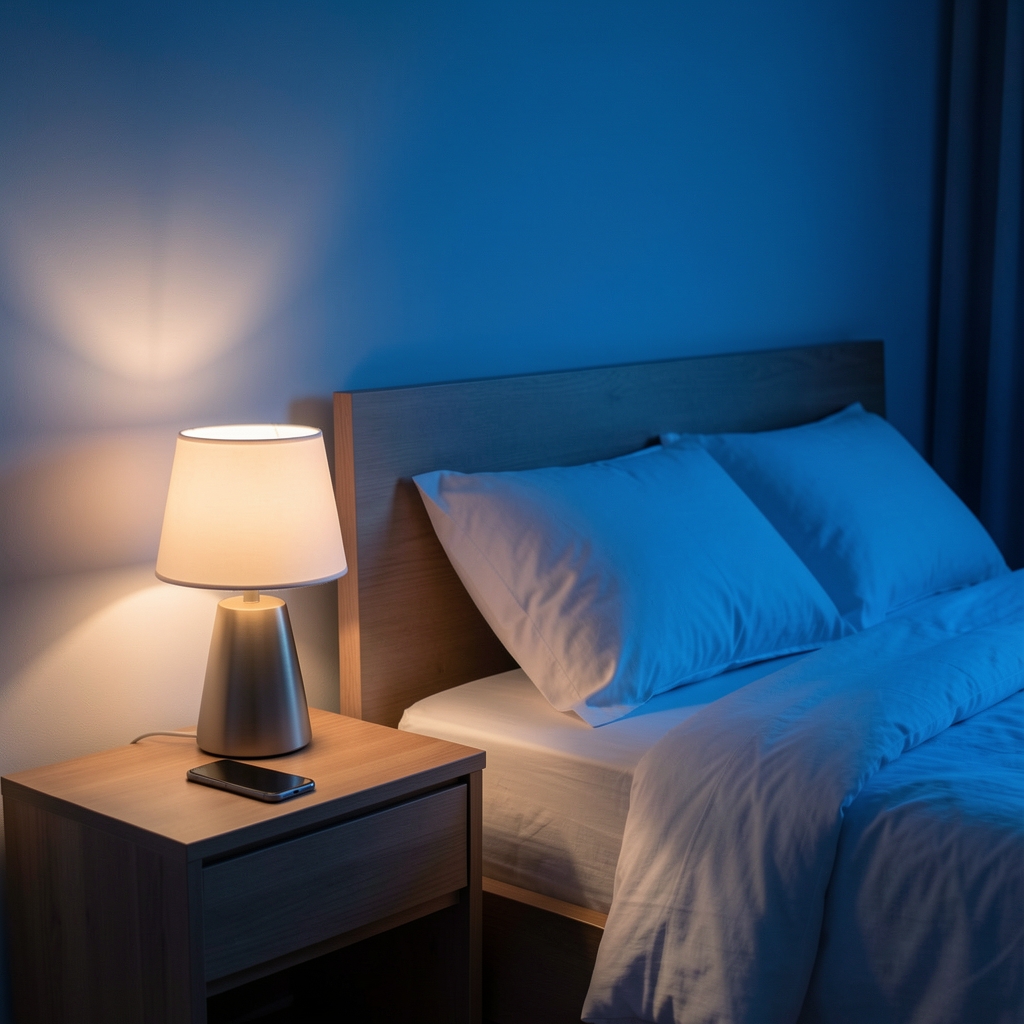
A publication for the considered few — examining how the hours between dusk and deep sleep shape body composition, overnight rest, and the quiet architecture of daily recovery.
The hours after sunset are not empty time. They are structured opportunity.
Dorvan Journal approaches evening routine with the same rigour a navigator applies to charts: every variable matters, none is incidental. The angle of your last exposure to blue-spectrum light, the temperature of your room, the consistency of your wake time — these are not wellness abstractions. They are measurable inputs with documented output relationships.
We write for men who prefer evidence-informed reading over optimisation slogans. Our contributors draw on peer-reviewed research and field observation, presented without the language of urgency that dominates the broader health content landscape.
Deep sleep stages, sleep cycle duration, and the conditions under which restorative rest occurs consistently. We examine what the evidence says about cycle timing, stage distribution, and the effect of environmental variables on overnight quality.
Overnight Metabolism
The body does not idle during sleep. Fat oxidation, cellular repair signalling, and appetite-regulating processes are all active during overnight rest. We trace the documented links between sleep duration and body composition over time.
Light & Circadian Signals
Evening light exposure is the single most disruptable element of the circadian signal. We cover screen-free evening practice, wavelength management, and the role of consistent wake times in anchoring the body's internal scheduling mechanism.
Sleep Environment
Room temperature, acoustic conditions, weighted blanket use, mattress firmness, and blackout coverage — the physical environment of sleep is an underexamined variable. We document what small adjustments produce consistent improvements in reported rest quality.
Nap Strategy
The relationship between daytime rest and overnight sleep quality is not straightforward. We look at nap duration, timing relative to wake time, and when strategic short rest genuinely supports rather than disrupts nightly sleep depth.
Sleep Tracking & Journalling
A sleep tracking journal without interpretive framework is data without meaning. We cover how to extract useful patterns from self-recorded sleep data, morning energy assessments, and the value of consistent wake-time discipline over extended periods.
05 — FROM THE ARCHIVE
"The body keeps its own schedule. The question is whether you choose to work with it or against it."
— Tobias Whitfield, Dorvan Journal, February 2026
06 — COMMON QUESTIONS
Frequently Asked
Practical questions from readers, answered with the same evidence-informed approach we apply to our longer editorial features.
The evidence suggests a general window of two to three hours between a substantial meal and the intended sleep onset produces the most consistent results. Eating closer to sleep onset is associated with lighter reported sleep and longer time-to-onset in several observational studies, though individual variation is considerable. The more documented factor is not meal timing in isolation but its interaction with consistent wake time.
Short sleep duration — consistently defined in research as fewer than six hours per night — is associated with increased appetite signalling, preference for calorie-dense foods the following day, and reduced motivation for physical activity. These are behavioural downstream effects, not direct physiological change. Body weight over weeks and months reflects the accumulated pattern, not any single night.
The short-wavelength light emitted by most screens can delay the onset of melatonin-friendly conditions in the body's circadian signalling. The magnitude of this effect varies by screen brightness, ambient light in the room, and individual sensitivity. The most reliable approach documented across several studies is a combination of dimming all light sources — not screens alone — in the ninety minutes before intended sleep onset.
The available evidence leans toward wake time consistency as the more tractable anchor. The circadian signal is substantially driven by light exposure at a predictable time each morning. Maintaining a fixed wake time — even following a poor night — allows the body's internal scheduling to recalibrate more quickly than flexible wake times do, regardless of how much earlier you attempt to go to sleep.
Dorvan Journal does not publish product endorsements, does not assign numerical scores to routines, and does not present any single approach as universally applicable. Our editorial process requires that claims reference published nutritional or sleep research. Writers disclose any commercial relationships at point of publication. The publication exists because the gap between what the research says and what appears in mainstream health content is wider than it should be.
The most useful tracking journals record four things consistently: estimated sleep onset time, wake time, a subjective quality rating, and morning energy level. Additional variables — room temperature, evening activity, last screen use — can be added after a baseline week. The value lies in pattern recognition over at least fourteen days, not in any single night's entry. We cover journalling structure in our methodology section.
We use cookies to improve your reading experience and understand how our content is accessed. Learn more