Dorvan Journal operates under defined editorial principles applied consistently across every article. This page explains the process from topic selection to publication and correction.
Dorvan Journal operates under the following editorial principles: articles are reviewed by at least one second editor before publication, sources are cited where appropriate, corrections are noted publicly, and writers disclose any commercial relationships that could influence their selection of subject matter.
These principles are not aspirational statements. They are functional requirements. An article that has not received a second editorial review does not go live. A writer who holds a commercial relationship relevant to an article's subject matter must disclose it before the piece enters the editing process. There are no exceptions.
The publication does not distinguish between different categories of article in the application of these principles. A short note receives the same editorial review as a long-form piece. The length of an article is not a proxy for its significance to a reader who might act on it.
Topics are identified from three primary sources: a rolling review of published sleep and nutrition research, specific questions submitted by readers via the contact form, and recurring gaps observed in the broader wellness editorial landscape. A topic is accepted for development only when the lead editor can identify at least two independent published sources that would inform it.
Topics are assigned to writers with documented familiarity with the subject area. Assigned writers are required to declare any commercial interest in the subject before work begins. If a commercial relationship exists and cannot be contextualised without distorting the editorial framing, the assignment is redirected to a different writer.
Writers are expected to engage directly with primary sources — published journal articles, publicly available research abstracts, or documented observational studies — rather than secondary summaries. Where only secondary sources are available, the article is clearly positioned as an overview rather than a source-based analysis. The distinction is made explicit in the article itself.
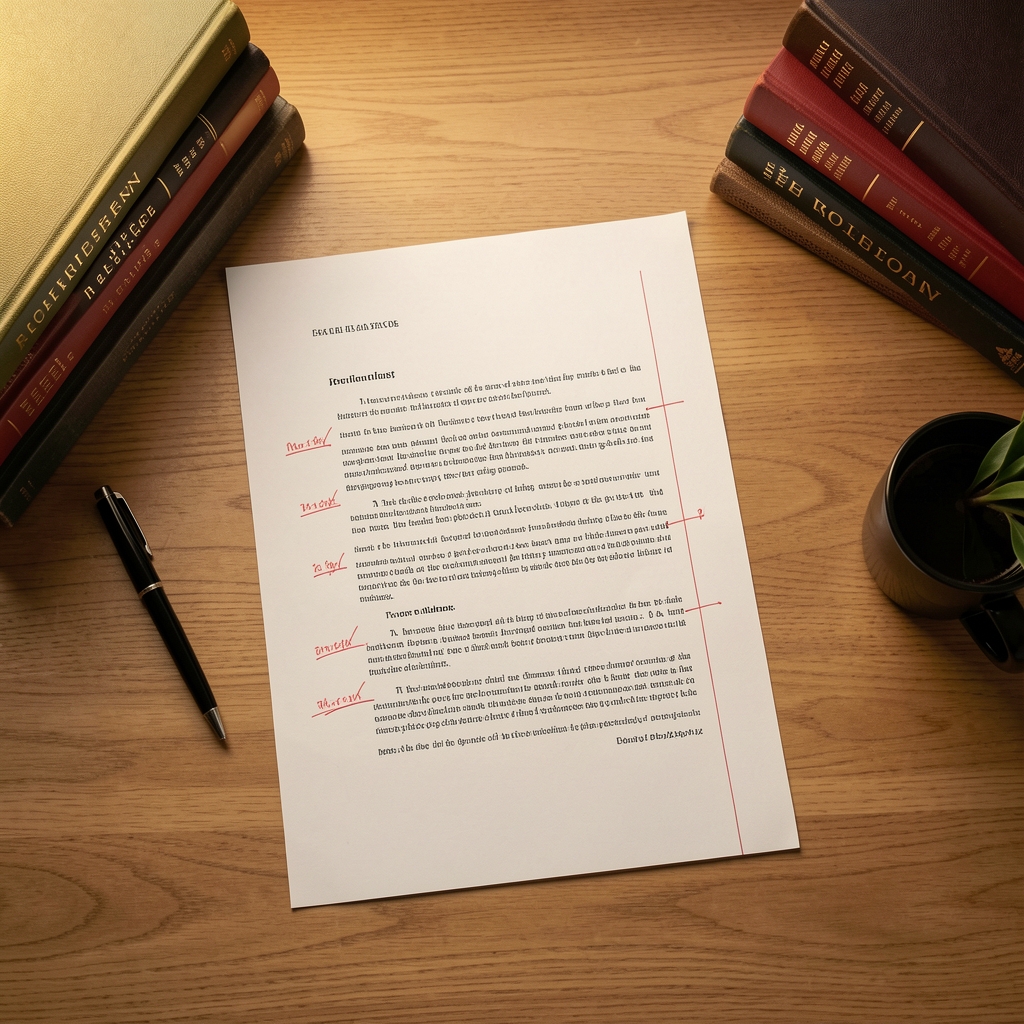
Every draft is reviewed by a second editor who was not involved in the initial assignment or the drafting process. The second editor checks for factual accuracy, source proximity, and register — ensuring that the article does not overstate the confidence level of the underlying research. Where a claim is contested in the literature, the article is revised to reflect that. Provisional findings are presented as provisional.
Articles are published with a publication date, the writer's name, and an estimated reading time. No article is published without all three. Publication dates are the dates on which the article was completed and reviewed, not the date on which it was assigned. The publication does not backdate articles for search-optimisation purposes.
Corrections are published as a clearly labelled addendum at the end of the original article, with the date of the correction noted. The corrected version replaces the original text. The publication does not delete or silently edit factual inaccuracies — the correction record is part of the article's permanent record. Readers may submit corrections via the contact form.
Published articles remain in the archive indefinitely. Articles are not removed because the underlying research has been updated or superseded — they are annotated with a note when the editorial team becomes aware that the research landscape has changed materially. The archive date on each article is the original publication date, not the date of any subsequent annotation.
Editorial review in progress — annotations, London 2026
All photography used in Dorvan Journal articles is sourced from commissioned shoots or properly licensed stock libraries. Images are selected to represent the subject matter accurately and without sensationalism. Images are not used to imply outcomes, routines, or body composition changes that the accompanying article does not substantiate in writing.
Captions are applied to all editorial images. Captions identify the subject of the photograph and, where relevant, the location and date. The publication does not use before-and-after imagery in any form.
Writers do not select their own article photography. Image selection is handled editorially by the second reviewer to ensure that visual and written framing are consistent.
Dorvan Journal does not accept advertising, sponsored content, or affiliate arrangements of any kind. This is not a policy that will be revised for scale. The publication's value to readers depends entirely on the absence of commercial influence over its editorial decisions, and that value would not survive the introduction of revenue models that are contingent on content choices.
Writers are not paid based on article performance metrics (page views, shares, engagement rate). Payment is based on the work itself. This removes the structural incentive to write for attention rather than accuracy — the dominant distortion in commercially-dependent wellness content.
The publication accepts no press materials, product samples, or unsolicited research briefings from commercial organisations. Reader-submitted questions and published research are the only external inputs that influence the editorial agenda.
Articles published on Dorvan Journal are editorial in nature and reflect the writers' observations on everyday wellness practices. The content is not intended as professional advice, nor as guidance for the management of any specific condition. Readers with specific concerns about their daily routines are encouraged to speak with a qualified wellness professional.
Dorvan Journal is an independent editorial publication focused on everyday wellness practices. The publication is not affiliated with any commercial, governmental, or institutional body.